Tag: Pension Reform

  • Institutional Convergence Towards the End of Premium Retirement for the Judiciary

    Institutional Convergence Towards the End of Premium Retirement for the Judiciary

    Reading Time: 3 minutes

    Reading Time: 3 minutes

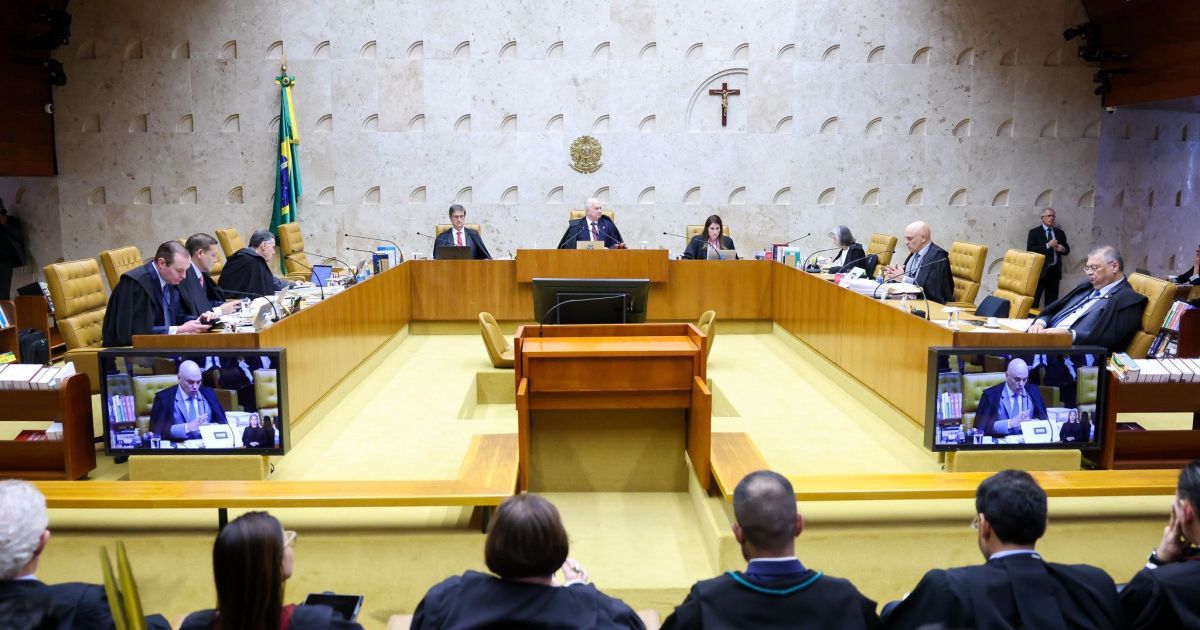
    The Brazilian legal landscape is undergoing a profound transformation regarding the disciplinary regime of the judiciary and the Public Prosecutor’s Office. The convergence between recent decisions of the Supreme Federal Court (STF) and the advancement of Constitutional Amendment Proposal (PEC) 3/2024 in the Senate signals the imminent end of the so-called “premium retirement,” an administrative sanction that, in practice, guarantees the maintenance of benefits to members of the Judiciary removed for serious misconduct or crimes.

    The End of the Sanction of Mandatory Retirement and the Understanding of the STF

    Historically, mandatory retirement with benefits proportional to length of service was the maximum penalty applicable to judges and prosecutors in administrative proceedings. However, the understanding of the legality of this measure changed drastically with the interpretation of Constitutional Amendment 103 (Pension Reform of 2019). The debate gained renewed force through a decision by Minister Flávio Dino, within the scope of Ordinary Action 2.870/DF.

    In that judgment, the minister argued that the Pension Reform suppressed the constitutional foundations that allowed the use of retirement as a disciplinary sanction. By removing the term “retirement” from the provisions governing punishments for high-ranking public officials, the derivative constituent would have expressed a clear desire to extinguish such benefit in cases of misconduct. Thus, the maximum penalty would become the definitive loss of office (dismissal), without the granting of lifetime monthly income.

    “As of the effective date of EC 103/2019, there is no constitutional basis for the State to reward with retirement benefits someone who has committed offenses incompatible with the dignity of the judiciary.”

    Analysis of PEC 3/2024: Legislative Rigor and New Rules

    Following the movement of the Judiciary, the Legislative Branch accelerated the processing of PEC 3/2024. Recently approved by the Constitution and Justice Committee (CCJ) of the Senate, the proposal aims to remedy any interpretive gap, expressly prohibiting the granting of retirement as punishment. The text provides for a restructuring of the punitive process to ensure that society does not continue to finance inactivities resulting from crimes or corruption.

    Main Innovations of the Legislative Text

    • Removal and Suspension of Remuneration: Unlike the current model, where the magistrate continues to receive salary during the administrative process, the PEC proposes the immediate suspension of payments immediately after the recognition of the serious offense.
    • Procedural Speed: Establishes a deadline of 30 days for filing the civil action aimed at the loss of office, preventing injunctions or procedural delays from perpetuating the payment of salaries to those under investigation.
    • Termination of the Bond: Dismissal becomes the rule for conduct that previously resulted in paid removal.

    The Impacts on Social Security Law and the Issue of Contributions

    The extinction of mandatory retirement as a sanction raises complex issues in the field of Social Security Law. Magistrates and members of the Public Prosecutor’s Office contribute with high rates, which can reach 14% of their income. Therefore, class associations such as AMB (Brazilian Association of Magistrates) and Ajufe (Association of Federal Judges) express concern about legal certainty and the right of ownership over the contributions made.

    Experts argue that the social security assets accumulated over decades cannot be simply confiscated by the State, under penalty of illicit enrichment of the public administration. One of the legal avenues proposed to balance administrative punishment with social security protection is the migration of contributions. In this model, the amounts paid to the Own Regime (RPPS) would be transferred to the General Regime (RGPS), allowing the punished server to use this time for a future retirement by the INSS, respecting the ceilings and rules common to all citizens.

    The Controversial Exclusion of the Military

    A point of intense controversy during the vote in the CCJ was the exclusion of the military from the text of the PEC. Currently, members of the Armed Forces expelled for crimes can leave their families the so-called “fictitious death pension,” in which the military is considered “dead” for social security purposes, allowing their dependents to continue receiving the benefit.

    The maintenance of this privilege for the military, while tightening the rule for judges and prosecutors, is seen by many jurists as a violation of the principle of equality. Defenders of the measure argue that the family should not be punished for the individual error of the military, an argument that, for critics, could be applied with the same logic to the dependents of magistrates, evidencing a lack of uniformity in the ethical-functional treatment of the State.

    Conclusion: Towards the Moralization of Public Management

    The convergence between the STF and the Senate around PEC 3/2024 reflects a social clamor for greater transparency and justice in public administration. Although the technical challenges regarding the contributory nature of social security and the guarantee of tenure still demand in-depth debates, the trend is the consolidation of a system where the severity of the functional fault is matched with the definitive loss of the prerogatives and benefits of the office.

    The text now goes to a vote in the Senate Plenary and, later, in the Chamber of Deputies. Legal professionals should remain attentive, as final approval will redefine not only administrative sanctions, but also the management of social security liabilities in the Brazilian public sector.


  • STF Restringe Aposentadoria Compulsória como Pena Máxima para Magistrados: Implicações da Reforma da Previdência

    STF Restringe Aposentadoria Compulsória como Pena Máxima para Magistrados: Implicações da Reforma da Previdência

    Reading Time: 4 minutes

    STF Restringe Aposentadoria Compulsória como Pena Máxima para Magistrados: Implicações da Reforma da Previdência

    O Supremo Tribunal Federal (STF), por meio de decisão proferida pelo ministro Flávio Dino, estabeleceu um novo marco para a aplicação de sanções disciplinares a magistrados. A partir de agora, a aposentadoria compulsória, antes considerada a pena máxima para membros do Poder Judiciário em casos de infrações graves, está restrita. Esta mudança significativa decorre das alterações impostas pela Emenda Constitucional (EC) nº 103/2019, popularmente conhecida como Reforma da Previdência, que redefiniu as possibilidades de punição para agentes públicos.

    A Decisão do Ministro Flávio Dino e as Novas Diretrizes

    A decisão do ministro Flávio Dino anulou uma determinação anterior do Conselho Nacional de Justiça (CNJ) que havia mantido a pena de aposentadoria compulsória aplicada a um juiz estadual do Rio de Janeiro. Em sua análise, o relator reconheceu que a sanção de aposentadoria compulsória, tal como aplicada previamente à reforma, foi, de fato, extinta pela EC 103/2019. Dessa forma, condutas graves que outrora justificariam essa penalidade devem agora ser punidas com a sanção mais severa de perda do cargo.

    Extinção da Aposentadoria Compulsória como Pena Disciplinar

    Com a entrada em vigor da Emenda Constitucional nº 103/2019, que visava a reestruturação do sistema previdenciário brasileiro, diversas disposições foram modificadas, incluindo aquelas que impactam diretamente o regime disciplinar de servidores públicos, incluindo os magistrados. O entendimento do ministro Dino é que a Reforma da Previdência subentendeu a supressão da aposentadoria compulsória como medida punitiva. Isso significa que, em essência, a punição branda que permitia ao magistrado infrator manter seus proventos após o afastamento compulsório, mas ainda assim percebendo remuneração proporcional ao tempo de serviço, não encontra mais respaldo jurídico pleno para condutas graves.

    Revisão Necessária e o Devido Processo Legal

    Além de destacar a inconstitucionalidade da aposentadoria compulsória como pena máxima após a EC 103/2019, o ministro Flávio Dino também apontou a violação do devido processo legal na tramitação do caso perante o CNJ. O devido processo legal é um princípio fundamental do direito que assegura a todos o direito a um julgamento justo, com a observância de todas as garantias processuais, incluindo o contraditório e a ampla defesa. A inobservância desses preceitos pode levar à nulidade de atos e decisões judiciais ou administrativas.

    Como consequência, o relator determinou que o CNJ realize uma nova análise do processo disciplinar. Nesta reanálise, o conselho deverá considerar as novas diretrizes e, caso comprove a prática de infrações graves pelo juiz, deverá encaminhar o caso à Advocacia-Geral da União (AGU). A AGU, por sua vez, terá a incumbência de propor a ação judicial cabível diretamente perante o Supremo Tribunal Federal, visando, nesse cenário, a perda do cargo do magistrado.

    O Caso Concreto: Apuração na Comarca de Mangaratiba (RJ)

    A situação que motivou a decisão do STF teve origem em uma inspeção realizada pela Corregedoria do Tribunal de Justiça do Estado do Rio de Janeiro (TJ-RJ) na Vara única da Comarca de Mangaratiba (RJ). O magistrado em questão era o titular dessa vara e foi alvo de diversas acusações de conduta imprópria e infracionária.

    Condutas Irregulares Apuradas

    As investigações e o posterior julgamento pelo TJ-RJ revelaram um padrão de comportamento incompatível com a ética e a imparcialidade que se espera de um juiz. Entre as condutas identificadas, destacam-se:

    • Direcionamento Proposital de Ações: O magistrado teria agido de forma intencional para que determinadas ações fossem distribuídas para a vara sob sua responsabilidade, o que pode configurar manipulação do sistema de distribuição de processos e favorecimento.
    • Concessão de Liminares Irregulares: Após o direcionamento das ações, o juiz concedeu liminares em benefício de policiais militares que, notavelmente, não residiam na comarca de Mangaratiba. Essa prática levanta sérias questões sobre a imparcialidade e a conformidade com as normas procedimentais, podendo indicar favorecimento indevido.
    • Retenção Indevida de Processos: Foi constatado que o magistrado retinha em seu gabinete processos cuja competência já havia sido declinada para a Fazenda Estadual. A declinação de competência é um ato processual que transfere o julgamento de um caso para outro órgão judicial considerado mais apto a decidir sobre a matéria. A retenção após essa decisão é grave, pois atrasa a tramitação dos feitos e pode prejudicar as partes envolvidas.
    • Anotação Irregular da Sigla “PM”: Ficou demonstrado que o juiz determinava a anotação da sigla “PM” (Polícia Militar) na capa de autos de processos em que policiais militares eram partes. Embora a identificação das partes seja comum, a inserção de uma sigla específica de tal forma pode ser interpretada como uma forma de sinalização ou tratamento diferenciado, comprometendo a isonomia processual.

    O Pedido de Revisão e a Manutenção da Decisão pelo CNJ

    Diante das penalidades impostas pelo TJ-RJ, o juiz apresentou um pedido de revisão disciplinar ao Conselho Nacional de Justiça (CNJ). O CNJ é uma instituição fundamental no sistema judiciário brasileiro, responsável por fiscalizar e planejar os atos do Poder Judiciário, garantindo a autonomia e o aprimoramento da prestação jurisdicional. No entanto, mesmo após a análise do recurso, o CNJ optou por manter a decisão original do TJ-RJ, que aplicava a aposentadoria compulsória como sanção. Foi essa manutenção que levou o caso ao STF e, consequentemente, à decisão do ministro Flávio Dino, que agora exige uma reavaliação sob a ótica das novas regras constitucionais.

    Impacto e Significado da Decisão do STF

    A decisão do ministro Flávio Dino é de grande relevância para o sistema judiciário brasileiro. Ela reforça a seriedade das infrações disciplinares cometidas por magistrados e alinha as punições às novas diretrizes constitucionais. Em vez de uma aposentadoria remunerada, que muitos críticos consideravam uma forma branda de punição para condutas graves, o caminho agora é a perda do cargo, uma sanção com consequências muito mais severas.

    Este movimento do STF demonstra um compromisso com a integridade e a responsabilização dentro do Poder Judiciário, enviando uma mensagem clara de que a impunidade ou a aplicação de penalidades consideradas brandas para atos de grave desvio de conduta não serão toleradas. A necessidade de reanálise pelo CNJ e o subsequente encaminhamento à AGU para uma ação de perda de cargo no STF sublinham a importância de um processo disciplinar rigoroso e transparente, em total conformidade com a Constituição Federal e os princípios do devido processo legal.

  • STF sets trial on mandatory retirement of public employees at age 75

    STF sets trial on mandatory retirement of public employees at age 75

    Reading Time: 3 minutes

    The Supreme Federal Court (STF) has scheduled a trial of extreme relevance for Brazilian public administration: the definition of the immediate applicability of mandatory retirement at age 75 for public employees, according to the changes brought by the 2019 Pension Reform (Constitutional Amendment 103/2019).

    The Context of the Trial in the STF

    Minister Flávio Dino has released to the virtual plenary the trial that will define the functional future of thousands of workers who work in public companies and mixed-capital companies. The central controversy lies in whether the rule of mandatory retirement, provided for in article 201, § 16, of the Federal Constitution, has full and immediate effectiveness or whether it depends on a specific complementary law to regulate the dismissal of these professionals.

    The case that originated the general repercussion involves a former employee of the National Supply Company (Conab). After turning 75, her contract was terminated based on the age limit. The defense argues that the automatic application of the rule violates labor rights and that the STF already has precedents indicating that the mandatory retirement would not originally extend to employees governed by the CLT, even in the public sector.

    The Thesis of the Rapporteur: Minister Gilmar Mendes

    For the rapporteur of the process, Minister Gilmar Mendes, the rule introduced by the Pension Reform is self-applicable. In his vote, the magistrate emphasizes that the objective of the rule is to promote turnover in public positions and guarantee the sustainability of the social security system, regardless of the nature of the legal bond (statutory or CLT).

    “In the case of mandatory retirement – and not spontaneous – the employee’s inactivation is independent of the manifestation of will of him or the employer, the attainment of the age limit together with the minimum contribution time being sufficient conditions for his inactivation.”

    According to the understanding that has already received favorable votes from Ministers Alexandre de Moraes, Cristiano Zanin, and Dias Toffoli, the public employee who reaches 75 years of age will be automatically dismissed, provided that he has fulfilled the minimum contribution time. If he does not have the necessary time, he must remain in the position only until he reaches this basic social security requirement.

    Impacts on State-Owned and Mixed-Capital Companies

    The decision will have “General Repercussion”, which means that the understanding established by the STF must be followed by all courts in the country. The practical impact is vast, directly affecting giants such as:

    • Petrobras (Mixed-Capital Company);
    • Banco do Brasil and Caixa Econômica Federal;
    • Correios and Conab;
    • State, district, and municipal public sanitation and energy companies.

    Until then, there was legal uncertainty about whether these workers could remain in their positions indefinitely or whether they would be subject to the same “expulsion” that affects judges, prosecutors, and statutory servants.

    Difference between Spontaneous and Mandatory Retirement

    It is essential to distinguish the two institutes legally. Spontaneous retirement occurs by the will of the worker and, according to consolidated jurisprudence of the STF (ADIs 1.721 and 1.770), does not automatically break the employment bond. Mandatory retirement is a constitutional imposition based on the age criterion.

    The challenge that the Supreme Court faces is to reconcile the protection of employment provided for in the CLT with the constitutional rule that limits the exercise of public functions up to a certain age. If the STF confirms the immediate application, there will be no need to pay a fine of 40% of the FGTS or prior notice due to the nature of the termination, which arises from a legal/constitutional determination that cannot be overcome.

    Conclusion and Next Steps

    The trial is scheduled to take place in virtual mode. Experts point out that the trend is towards confirmation of Minister Gilmar Mendes’ thesis, establishing a necessary standardization for the public sector. However, Flávio Dino’s request for a review demonstrated that there are still points of reflection on how this transition should occur for those who are already in the exercise of the function.

    Stay tuned to legal updates, as this decision will define the future of the careers of thousands of Brazilians who have dedicated decades to public service under the CLT regime and who now face the age ceiling of productive permanence in the State.