Reading Time: 4 minutes
Provisional Measure Guarantees Salary Readjustment for Security Forces of the DF and Former Territories
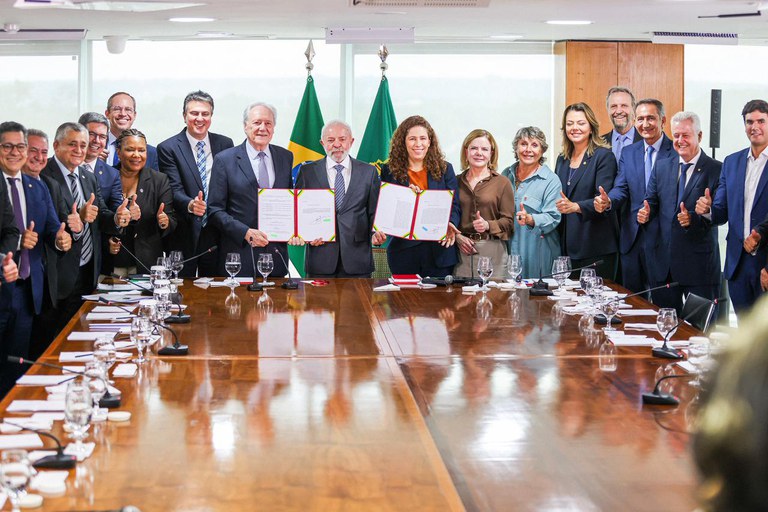
The Federal Government has taken a significant step towards valuing public safety professionals by signing a Provisional Measure (MP) authorizing the readjustment of remuneration for various categories of security forces. The initiative, materialized with the signature of President Luiz Inácio Lula da Silva, directly covers members of the security forces of the Federal District and, indirectly, but equally importantly, the Military Police and Firefighters of the Former Territories of Roraima, Amapá, and Rondônia.
This MP represents not only a recognition of the vital importance of these professionals for maintaining order and security in their respective regions, but also an effort to adjust their salary conditions to the economic reality and the demands of their functions. The measure seeks to offer greater financial and motivational stability, crucial elements for the effective performance of their duties.
Scope of the Provisional Measure: Who Will Benefit?
The MP is comprehensive and focuses on specific groups that operate on the front lines of public safety. The direct and indirect beneficiaries of this measure include:
- Public Security Forces of the Federal District:
- Military Police of the Federal District (PMDF): Responsible for maintaining public order and visible policing in the federal capital.
- Military Fire Brigade of the Federal District (CBMDF): Responsible for fire prevention and fighting activities, search, rescue, and salvage.
- Civil Police of the Federal District (PCDF): Acting in criminal investigation and judicial police.
- Military Police and Military Firefighters of the Former Territories:
- Roraima: Military Police and Firefighters of the State of Roraima.
- Amapá: Military Police and Firefighters of the State of Amapá.
- Rondônia: Military Police and Firefighters of the State of Rondônia.
The inclusion of professionals from the former territories demonstrates the government’s concern in extending salary appreciation beyond the Federal District, reaching regions that also directly depend on federal support for the maintenance of their security forces.
Salary Readjustment: Structure and Percentages
The salary readjustment will be implemented in a phased manner, ensuring a gradual and sustainable distribution of the increase over the coming years. This approach allows for more effective budget planning and avoids abrupt impacts on public finances. The stipulated percentages and deadlines are:
- First Installment: In 2025, the covered civil servants will receive an increase of 4.87%. This first percentage aims at an initial recomposition and preparation for the next readjustments.
- Second Installment: In 2026, there will be a new increase of 3.86%, consolidating the valuation process.
- Third Installment: Finally, in 2027, the third and last installment will bring a readjustment of 3.86%, completing the salary valuation cycle proposed by the MP.
It is important to emphasize that the calculation basis for these percentages will be the remuneration in force at the time of signing the Provisional Measure. This progression ensures that, at the end of the period, professionals will have had a significant increase in their earnings, reflecting the government’s commitment to improving the working and living conditions of these civil servants.
Budgetary and Financial Impact
The implementation of this salary readjustment has a considerable budgetary and financial impact, demonstrating the magnitude of the Federal Government’s investment in public safety. The total estimated impact is R$ 3.12 billion by 2027.
For a better understanding, the distribution of the impact per year is as follows:
- 2025: The estimated financial impact for the first year of implementation is R$ 1.21 billion.
- 2026: For the second year, with the second installment of the readjustment, the expected impact rises to R$ 967.3 million.
- 2027: In the last year of the readjustment cycle, the estimated impact is R$ 944.9 million.
These values, although representing a significant expense, are perceived by the government as a necessary investment in maintaining security and order, which are pillars for social and economic development. The Provisional Measure establishes the source of these resources, which will come from the Constitutional Fund of the Federal District (FCDF), which is an important source of funding for the DF’s expenses in various areas, including security, health, and education. This fund is managed and supplemented by the Union, guaranteeing the ability to pay the readjustments.
The Importance of the Provisional Measure in the Legal Context
A Provisional Measure (MP) is an instrument with the force of law, adopted by the President of the Republic in cases of relevance and urgency. Despite producing immediate effects, the MP needs to be submitted to the National Congress for it to be converted into law. The initial deadline for assessment is 60 days, extendable once for an equal period.
The use of an MP in this case highlights the Federal Government’s perception of urgency in meeting the demands for valuing the security forces. The speed in implementing the readjustment demonstrates the priority given to the issue, avoiding bureaucracies and delays common in ordinary legislative procedures.
Approval in the National Congress: Next Steps
After signing, the MP will be published in the Official Gazette of the Union and will begin to produce its effects. Subsequently, it will be sent to the National Congress, where it will undergo a processing rite that involves:
- Joint Committees: Initial analysis by a joint committee of deputies and senators.
- Vote in the Chamber of Deputies: Assessment and voting on the text by the deputies.
- Vote in the Federal Senate: If approved in the Chamber, the text goes to the Senate for a new vote.
The approval of the MP is crucial for the readjustments to become permanent and irreversible, guaranteeing the legal certainty of the measure. The expectation is that, given the nature of the theme and the consensus on the importance of public safety, the MP will receive the necessary support in parliament.
Conclusion: Valuation and Stability for Security Professionals
The signing of this Provisional Measure reflects a commitment by the Federal Government to valuing and improving the working conditions of public security forces. By guaranteeing a staggered salary readjustment, the administration seeks not only to reward the hard work of these professionals, but also to promote greater stability and motivation in careers that are essential to society.
This movement is strategic, as salary appreciation can directly impact the morale and effectiveness of security operations, contributing to the reduction of crime and the increase in the population’s sense of security. In addition, the inclusion of the former territories demonstrates an equitable vision in the distribution of benefits and attention to security needs in different regions of the country.
We will follow the developments of the processing of this MP in the National Congress, which will be fundamental for the consolidation of these important advances for the security forces of the Federal District and the former territories.